How Much Do Custom T-Shirts Cost? A Simple Breakdown
If you've ever tried to order custom t-shirts, you already know pricing isn't straightforward. You'll see everything from too good to be true numbers to premium options, and it's hard to know what's cheap for a reason, and what actually fits your project.
The truth is, there is no fixed number. The cost is unique to your order and is effected by the garment type, decoration method, quantity, and your artwork.
This guide quickly breaks down exactly how these variables impact price so you know what to expect before requesting a quote.
1. Garment Choice: Your Blank Sets the Baseline
The shirt you choose is the foundation for your total cost. Blank shirts range in cost and depend on what you are looking for. There are budget friendly t-shirts for events and promotion and premium styles like locally manufactured for retail.
Most common blank categories:
- Basic 100% cotton tee: Great for events, bands, and giveaways.
- Midweight premium tee: Soft-hand feel, retail style fit.
- Heavyweight tee: Streetwear style, merch drops
- Performance shirt: Sports teams, gyms, schools, outdoor events
- Women's and youth sizing
- Eco-friendly or Canadian-made options
Canadian made tees cost more than imported basics but customers choose them for the quality bump, ethical and sustainable practices and marketing and brand value.
Check out our full apparel catalogue here.
2. Decoration Method: Each One Works (and Costs) Differently
Print methods are priced differently because of the work that goes into each isn't the same. Setup, labour, time can all affect pricing. Here's a quick breakdown of the options.
Screen Printing
Screen printing is best for bulk orders and are most cost-effective at higher quantities.
Why pricing varies:
- Number of print colours
- Number of print locations
- Quantity (the more you order, the cheaper it gets per unit
- Specialty inks (puff, metallic, glow, reflective)
Screen printing also has setup fees ($40 per screen) because of the process it requires to take your digital artwork and turn it into a physical screen. Learn more about the process here.
Direct-to-Garment (DTG)
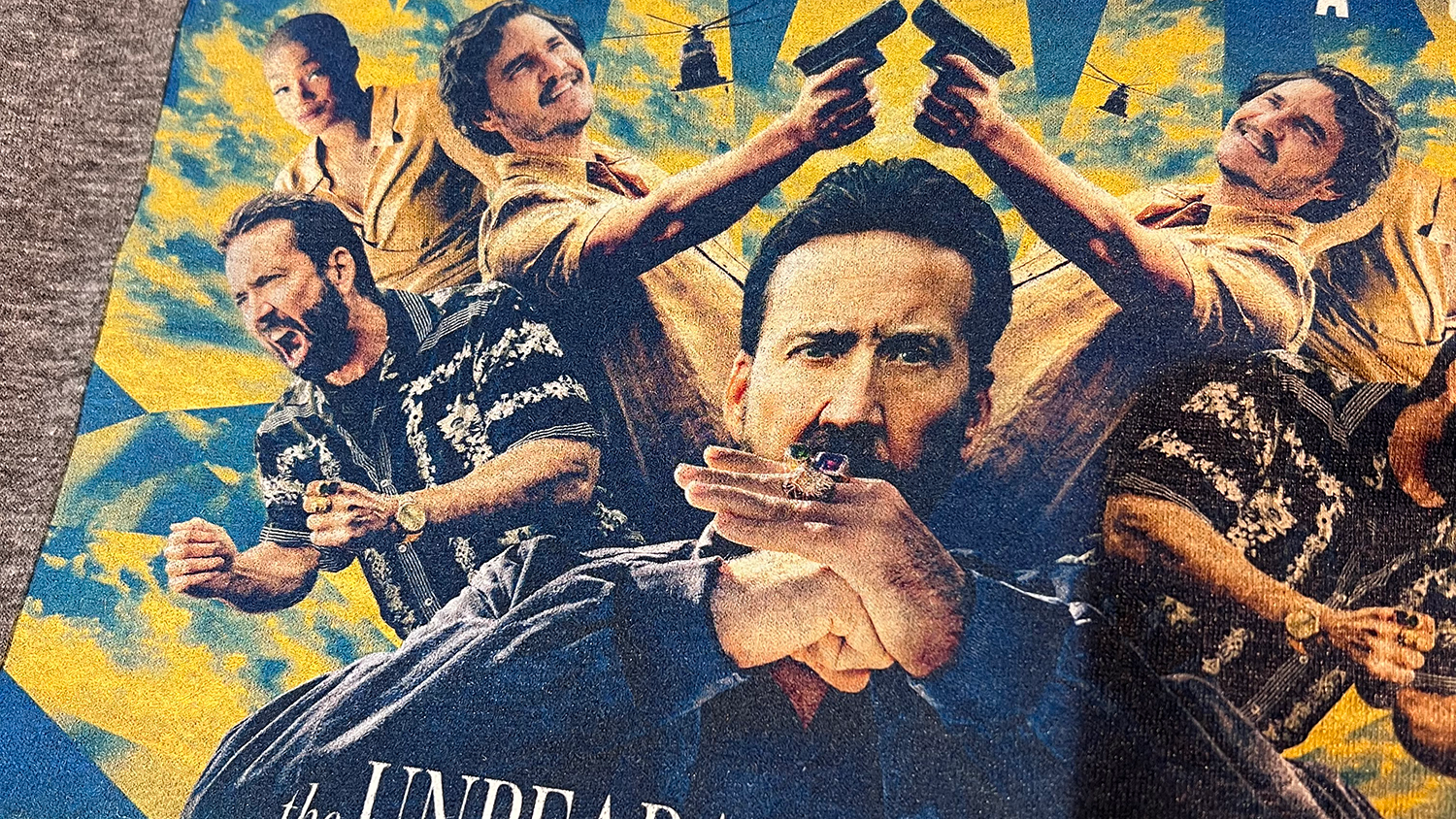
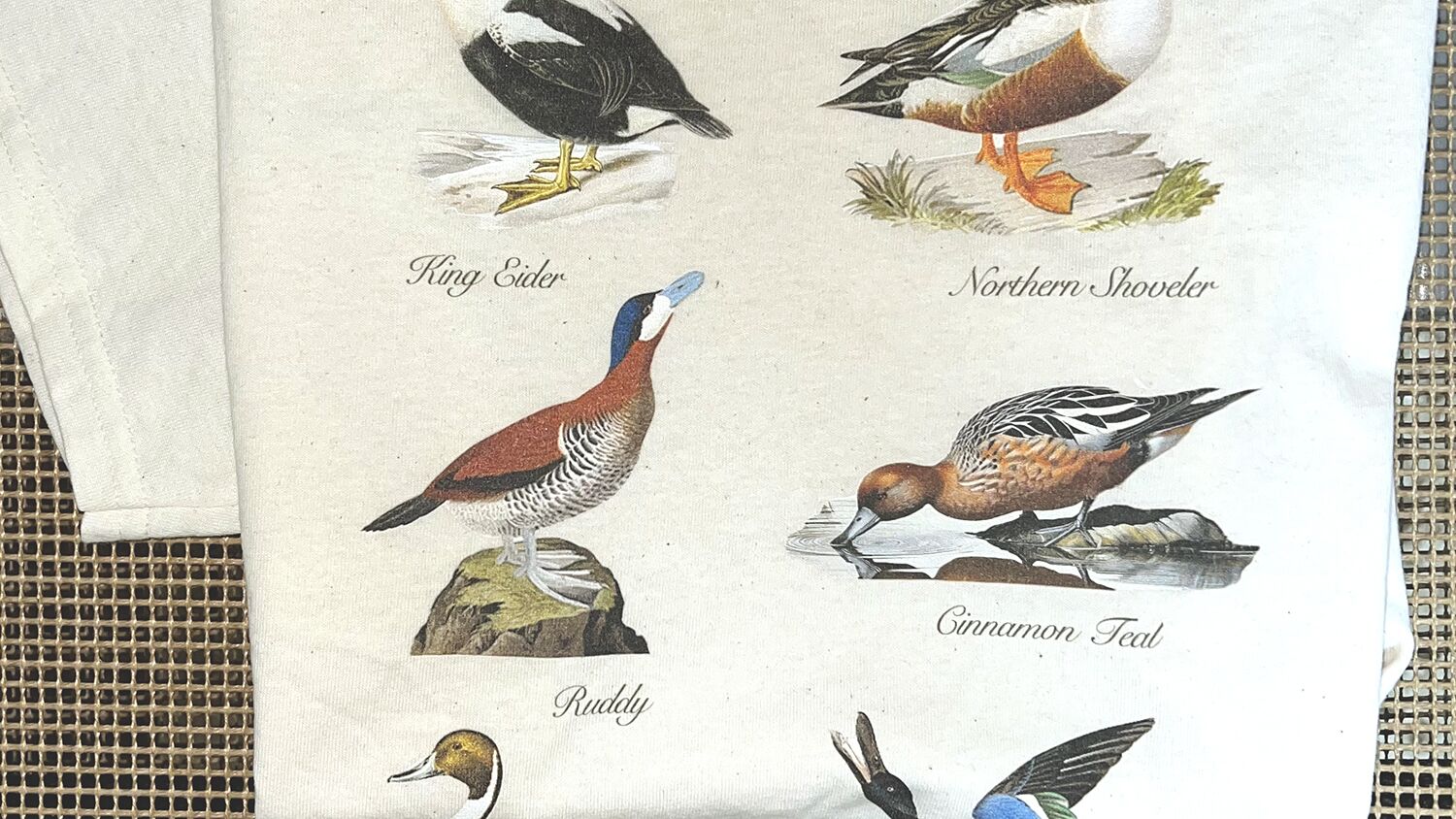
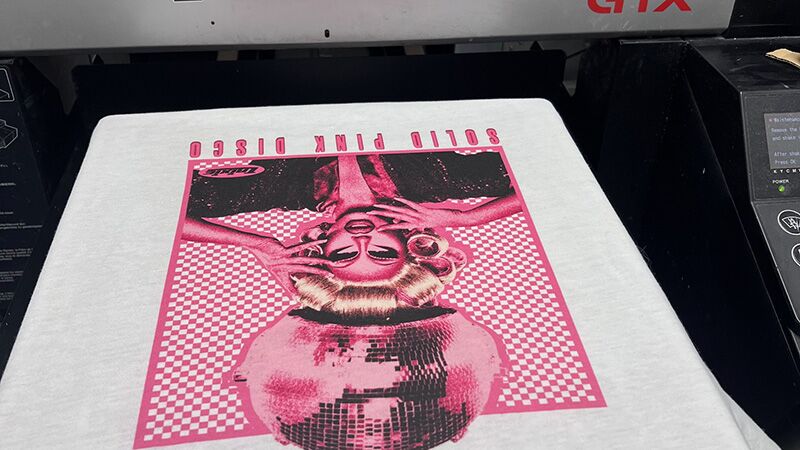
DTG is best for small runs and full colour artwork on light coloured garments. The inks are thin and the application is lighter which results in a faded print on darker colours.
Why pricing varies:
- Print size
- Number of print locations
- Ink consumption - the more ink used / higher coverage, especially white ink, the more espensive
DTG has no setup fees and prints photo-realistic designs, but it's typically priced higher per peice than bulk screen printing.
Direct-to-Film (DTF)
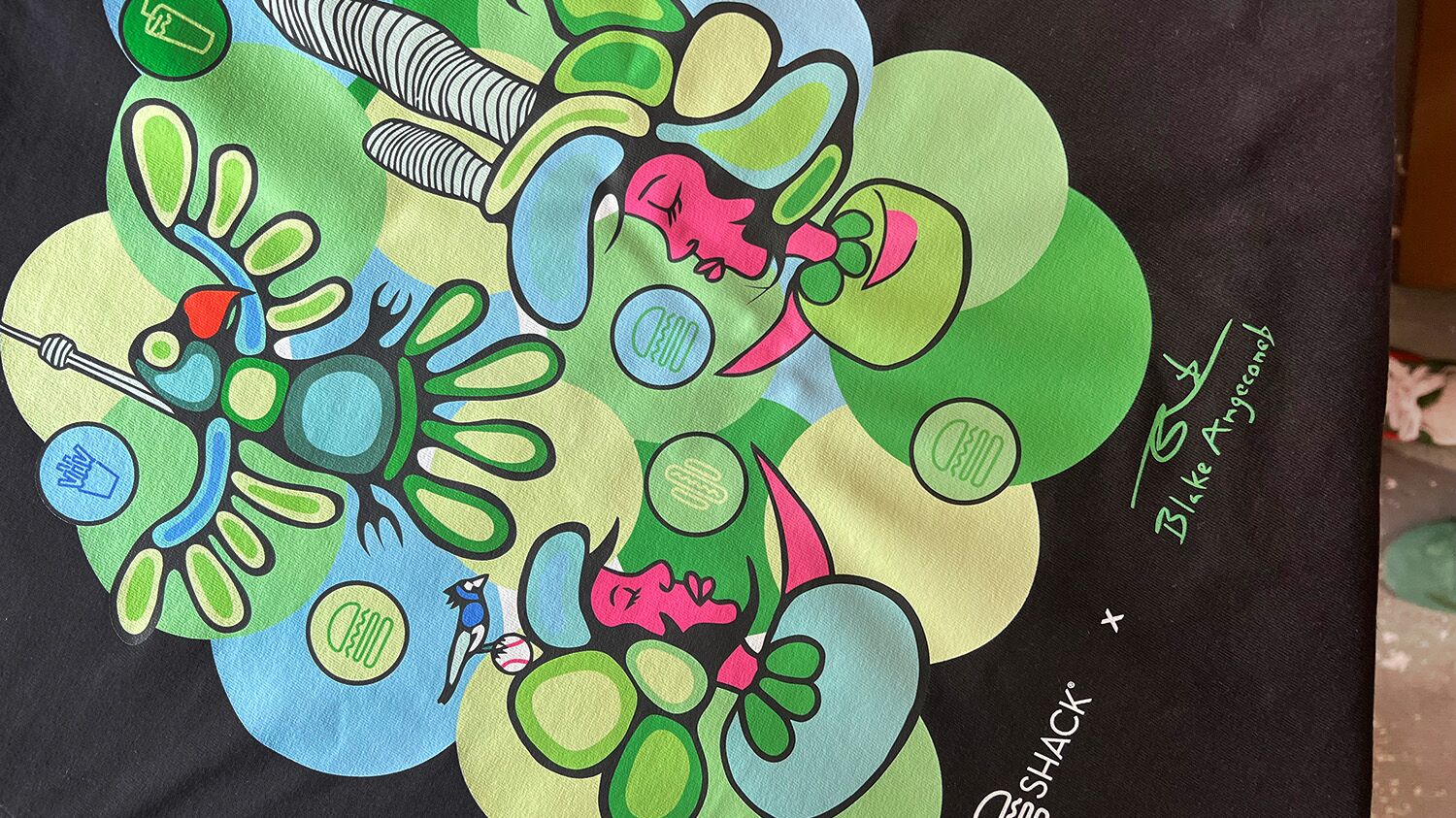
DTF printing is great for full-colour graphics on a wide range of fabrics. From cotton to perfomrance polyester, DTF works on most materials. They result is also vibrant and opaque.
Why pricing varies:
- Print size - the main factor as pricing is based per square inch
- Number of print locations
- Order quantity
DTF also has no setup fees and is great for short runs, personalizations for teams, or mulit-colour logos. For more info on DTG and DTF and which process may work better with your artwork, check out this page.
Embroidery
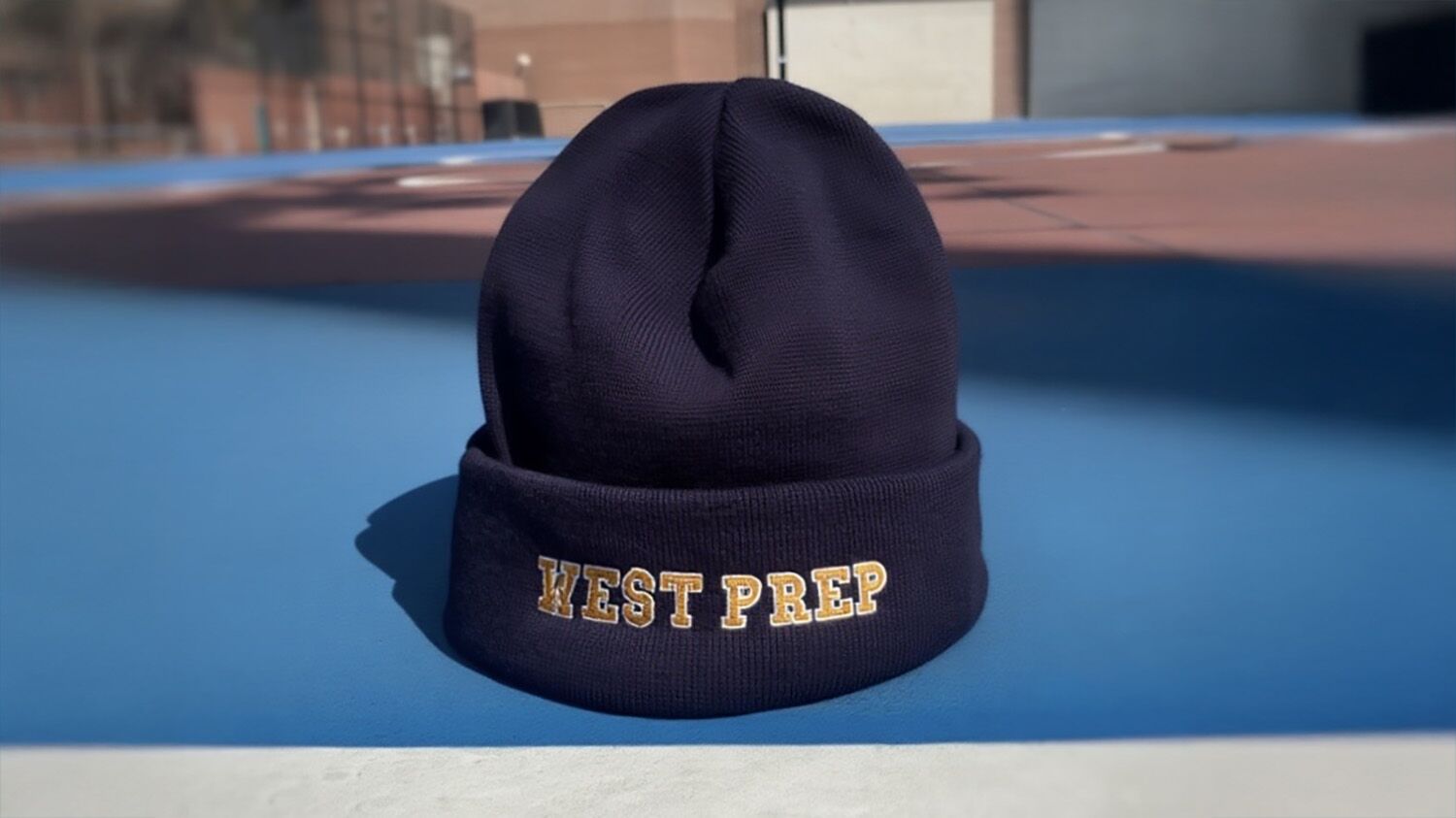
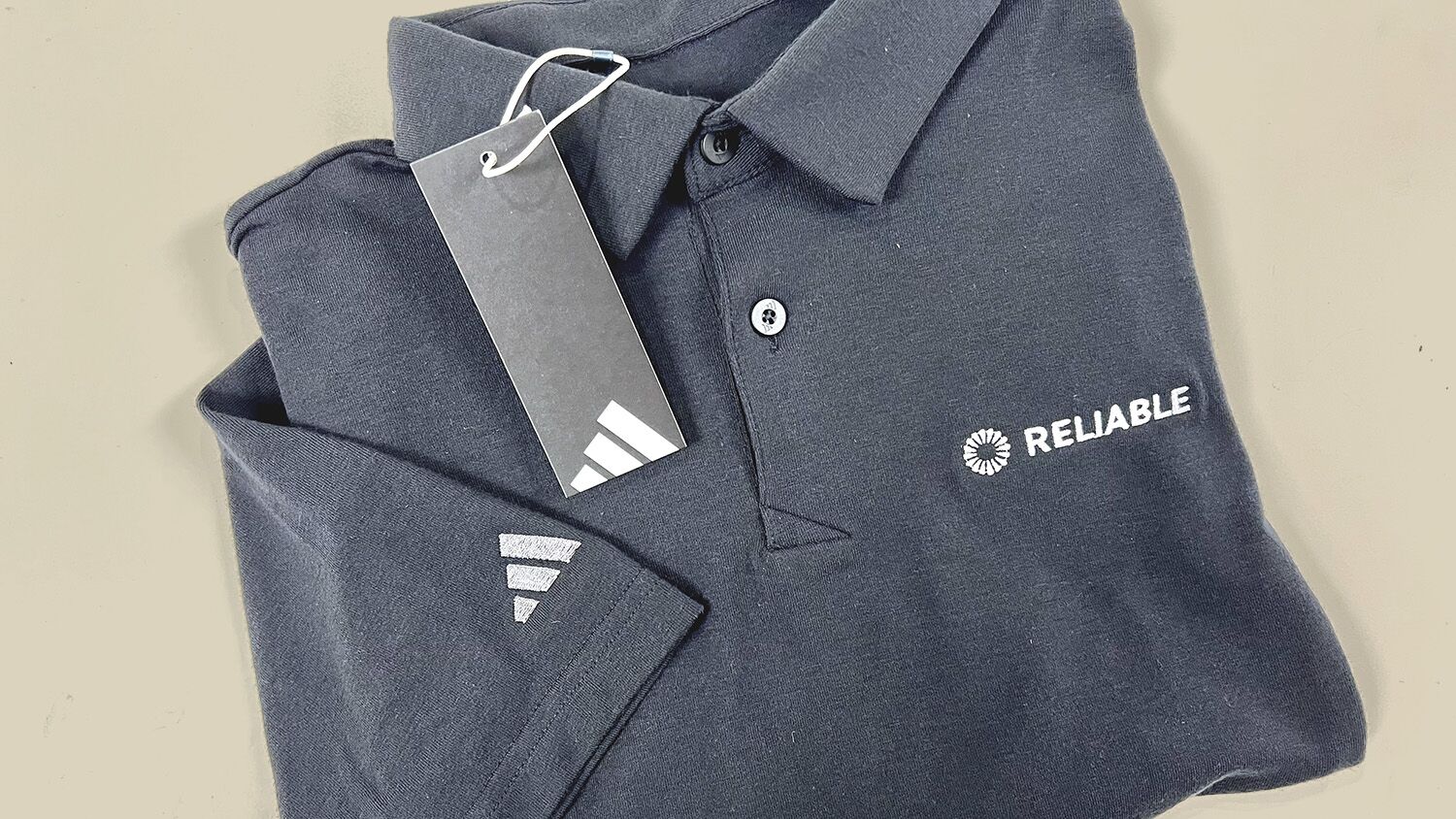
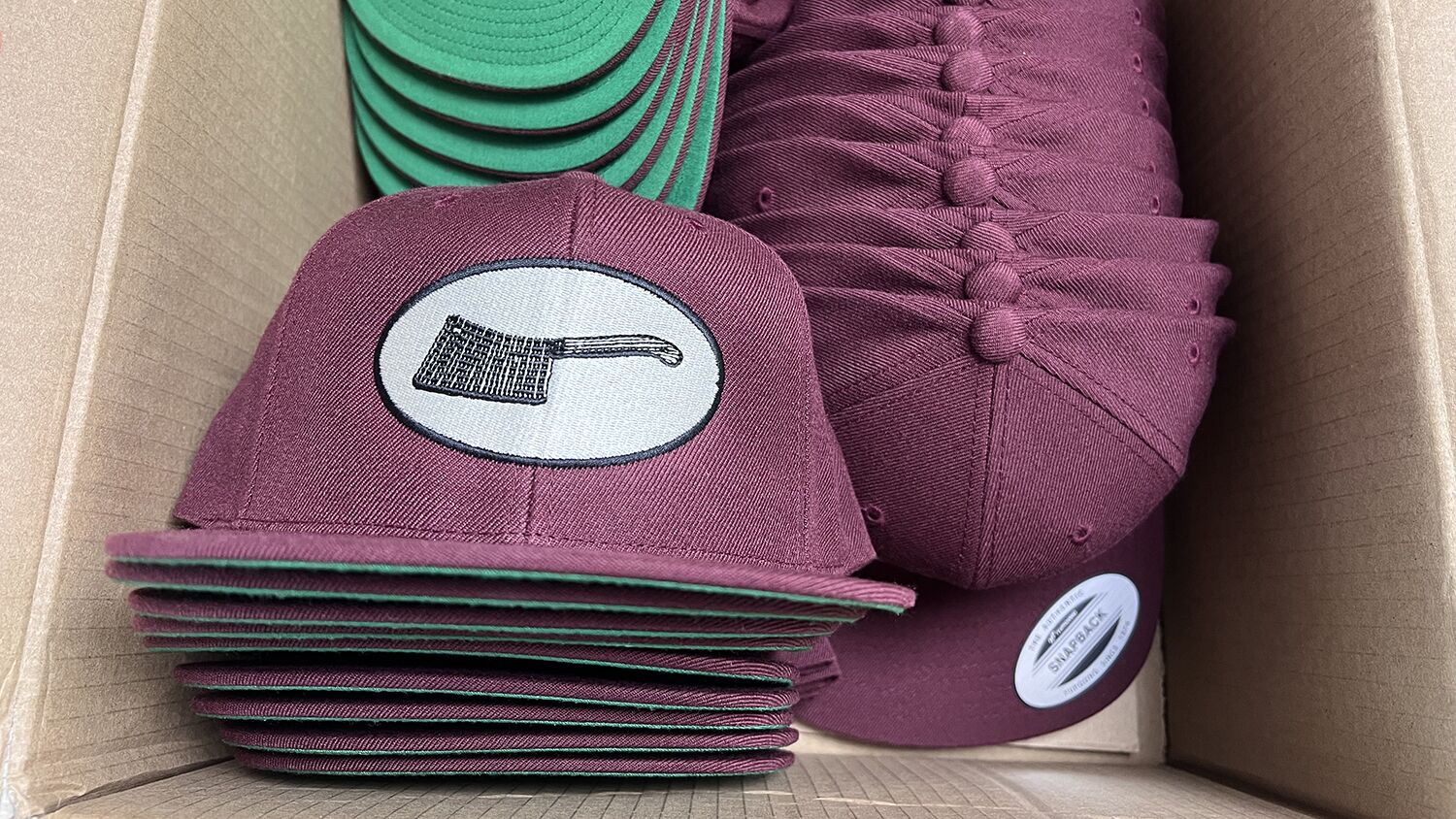
Embroidery is a premium imprint method that works for heavier materials. It is more durable so great for workwear, jackets, and hats. It also has a more professional feel that is perfect for corporatewear like polos and fleece.
Why pricing varies:
- Stitch count - (more stitches = higher cost)
- Number of emboirdery locations
- Order quantity
Similarly to screen printing, embroidery also has a setup fee or digitizing fee. This is a one-time fee and includes the cost of turning your digital file into a stitch file that the embroidery machine can read. Embroidery looks premium but costs more than printing especailly for larger or high-detail designs. Learn more about embroidery here.
3. Quantity: Your Biggest Cost Factor
Custom apparel is a volumn based business. The higher the order quantitiy the cheaper the unit cost. Especially for screen printing and embroidery.
Here's the general pattern:
- Small orders: higher cost per piece
- Medium orders: pricing drops noticeably
- Large orders: best value per unit
Setuping up the order is the most time consuming part of the process. Preparing the artwork, printing out the films, preparing the screens, burning the image on to the screens, and finally setting the screens up on press and aligning it. This is why a single printed tee may cost more than you expect, while 200 prints cost way less than you'd think.
DTG and DTF don't have setup fees, so they're more consistent across small runs but even then, bulk still reduces labour time and overall cost.
4. Artwork: Yes, Your Design Affects the Price
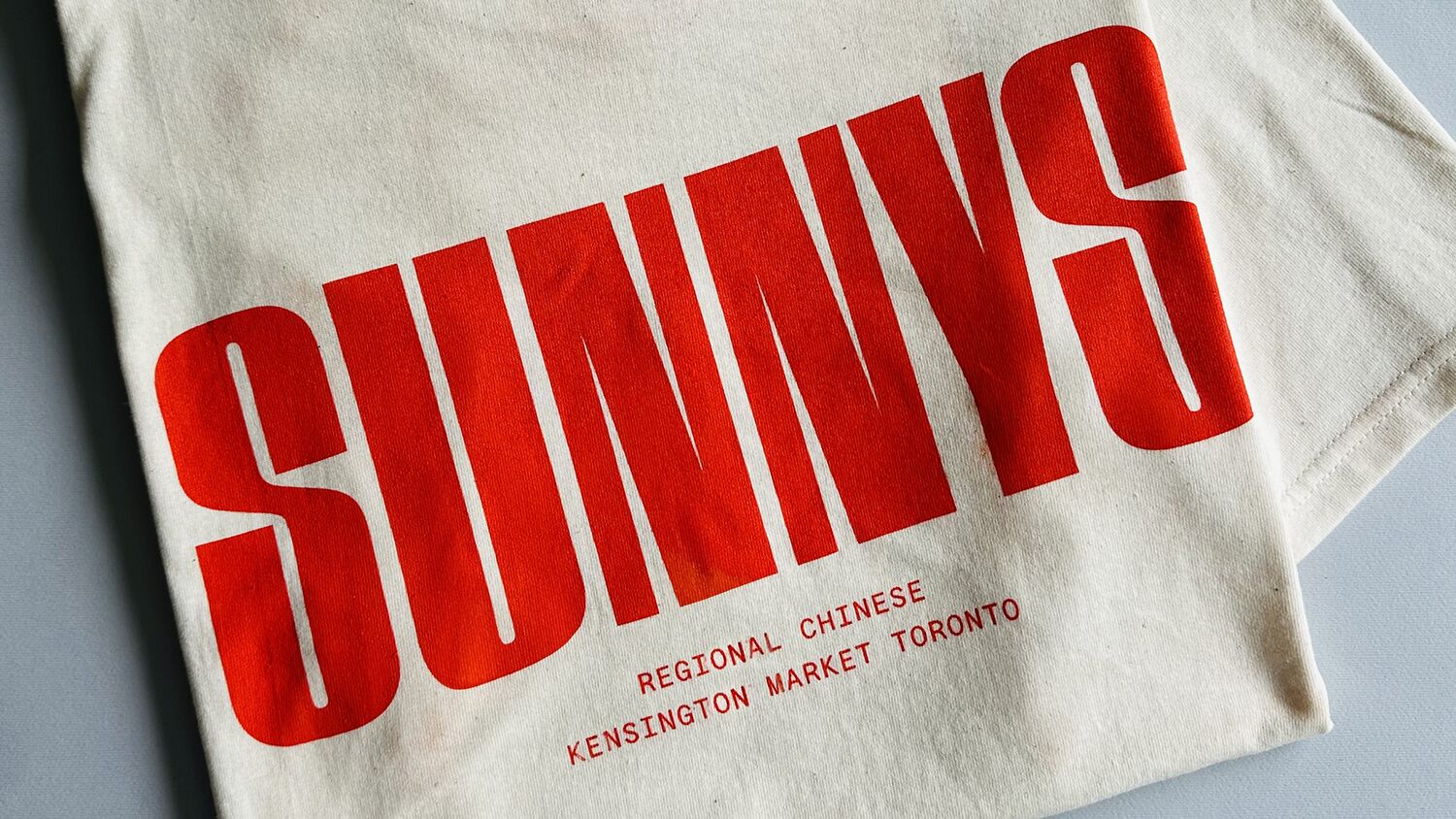
For most imprint methods, the artwork will affect the price. Here's some ways it can impact cost:
- More print colours = higher cost if screen printing
- Large prints cost more than small prints in DTG and DTF
- High stitch count increases embroidery pricing
- Print locations: If your designs includes mulitple print locations that will increase the cost
- Specialty inks and threads: metaillic, neon, reflective designs will increase the cost
If your art isn't print-ready, most shops can help clean it up or vectoize it but that can add to the total cost as well.
5. Turnaround Time & Rushing Your Order
Each imprint method and print shop has standard lead times.
- Screen prinitng: 2 weeks
- Embroidery: 2 weeks
- DTG/DTF: 1-2 weeks
Need it faster? Rush fees can apply (and change depending on production schedule, order size, and artwork) but we can generally accommodate rush orders to meet your deadline. Just ask.
Fast + cheap + high quality doesn't exist. You generally get to pick two.
So How Do You Actually Know What Your Order Will Cost?
Easy: Send your artwork, garment choice, and quantity.
Those three pieces of info let us give you a fast, accuratem to-the-dollar quote.
You'll ger transparent pricing, timelines, and recommendations on the most cost-effective print method.
You can also use our quick quote tool for exactly that, a quick quote. Base pricing is also listed on our product pages. Or request a quote through this form.
Links to other important pages
Other Posts
- How to Choose the Right T-Shirt Printing Method
- What Makes a Great Merch Design?
- 10 Custom Promotional Products That Don’t Suck
- Canadian-Made Custom T-Shirts & Promo Products
- Custom T-Shirt Printing Tips: How to Get the Best Results
- Best Custom Merchandise for Small Businesses
- Top Embroidery Trends Brands Are Using Right Now
- Custom Mugs: Popular Styles and What Will Work For Your Brand
- Spring Merch Guide: Fresh Picks in Custom Apparel & Promo Products
- Best Custom Golf Merch for Corporate Tournaments and Events
- Using AI to Create Custom Apparel Artwork