Custom T-Shirt Printing Tips: How to Get the Best Results
Whether you’re printing shirts for your business, your band, your event, or your staff — you want the end result to look clean, feel good, and represent your brand properly. But with so many printing methods and t-shirt options available, it's hard to know where to start!
Here’s a no-nonsense guide to getting custom tees that look as good in real life as they do in your head — based on what we see every day in the shop.
1. Start With the Right Blank (It Matters More Than You Think)
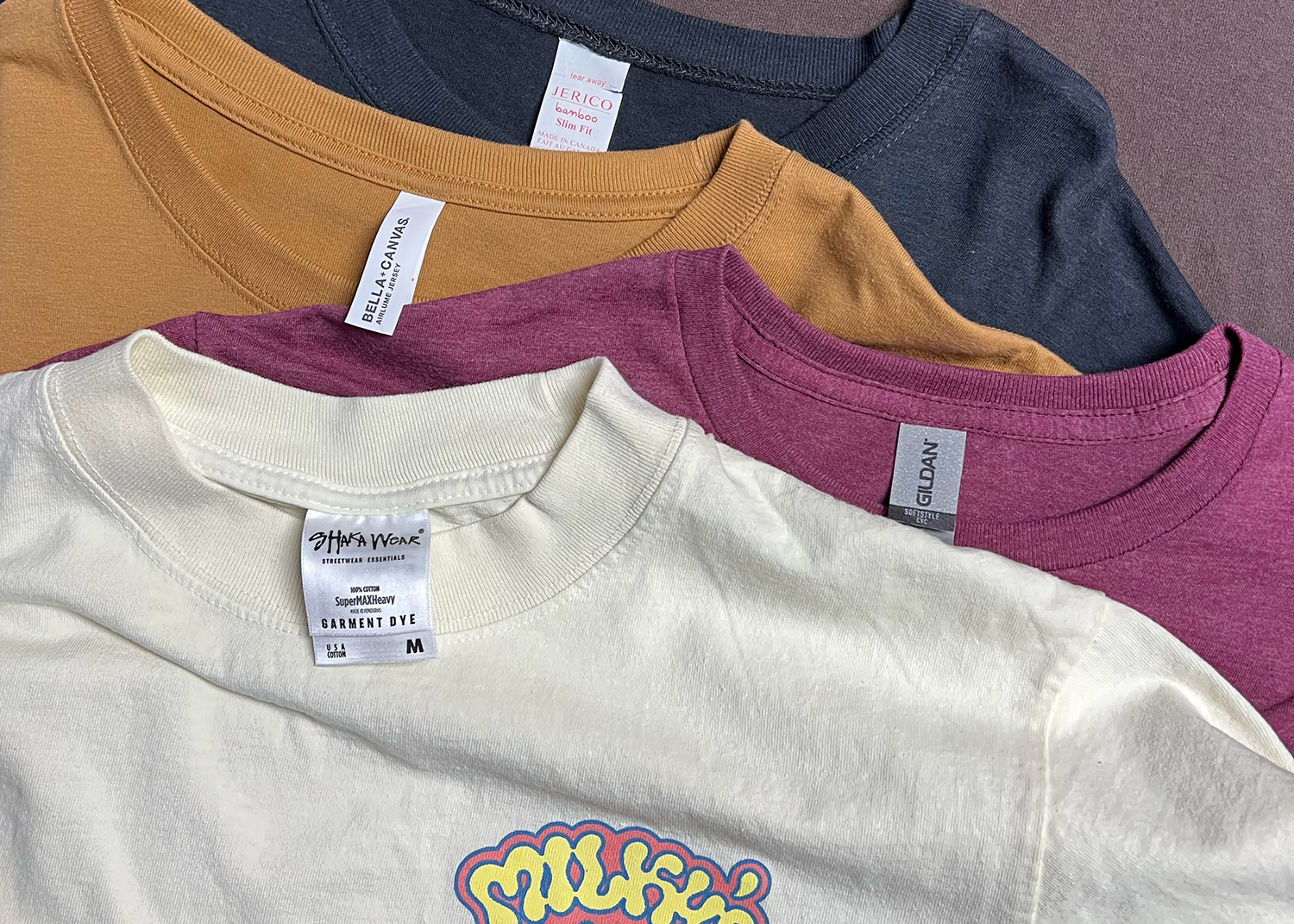
When it comes to choosing a t-shirt blank for your order, the material, fit, and brand matters depending on the imprint method. Heavier cottons are great for embroidery and screen printing, while performance wear and blended materials are better for DTF printing. In terms of style, that depends on your clients, do they prefer lightweight blends or a heavyweight oversized cotton look. Do you want an eco conscious option or to support local Canadian manufacturers? If you aren't sure what would work best, send us an email, we're happy to talk through the options!
What to consider:
- Fabric: Heavyweight cotton, lightweight blends, Canadian bamboo, organic cotton, moisture-wicking performace material
- Fit: Boxy, classic, slim, relaxed, oversized — choose something that matches your audience.
- Brand: Staples like Gildan and M&O work great for bulk orders; premium brands like AS Colour, Shakawear, Bella+Canvas, and Canadian-made Jerico and Redwood elevate the final product.
Pro tip: If you're selling merch, spend the extra couple bucks on a better blank. It 100% affects sell-through rate. Why not choose Canadian!
Check out our custom t-shirts page to view blanks that are organized into the categories above.
2. Design for the Method (A Small Adjustment Goes a Long Way)
A design that looks great on screen or digital mock up might not behave the same in ink or thread.
Keep in mind:
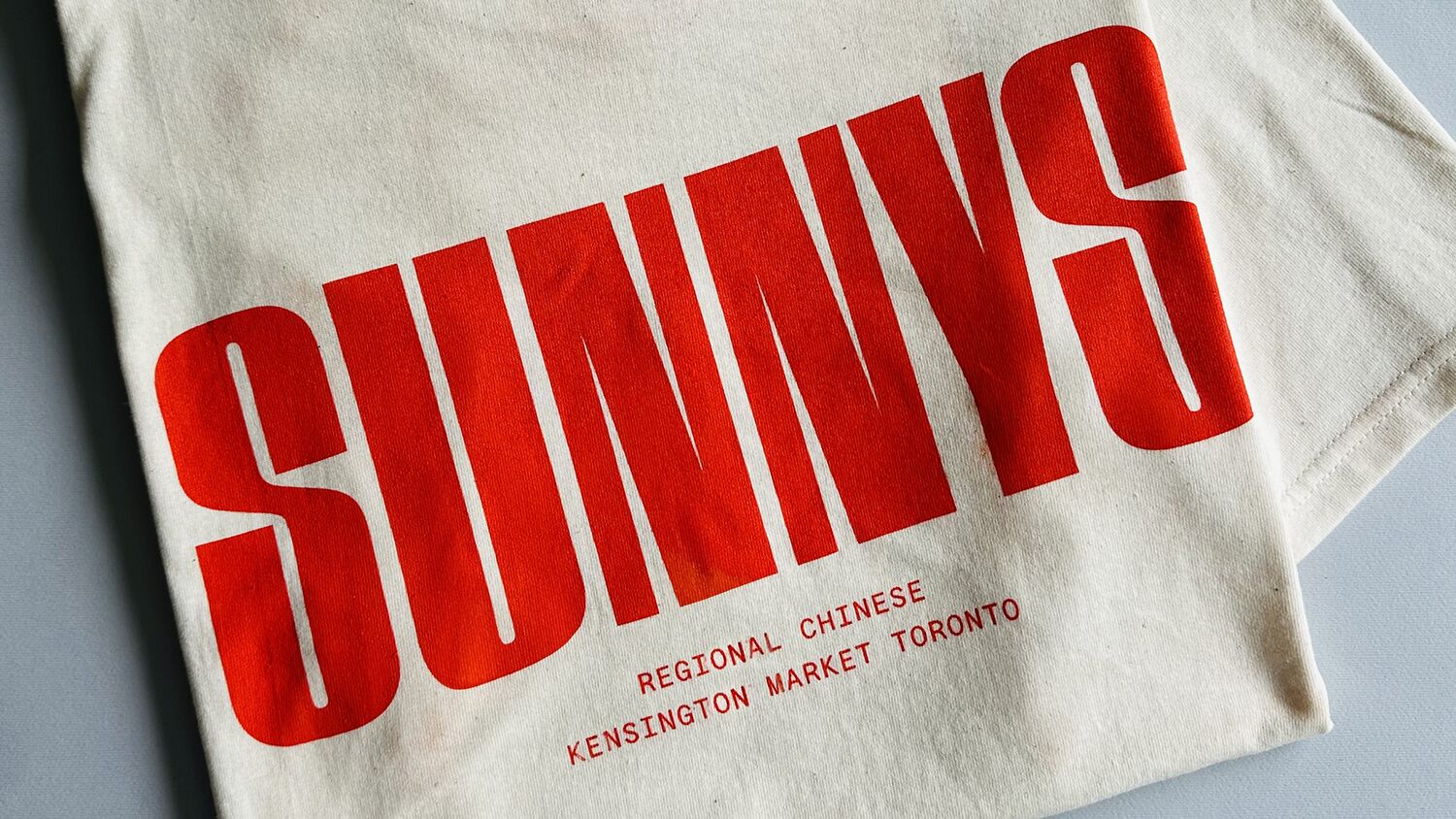
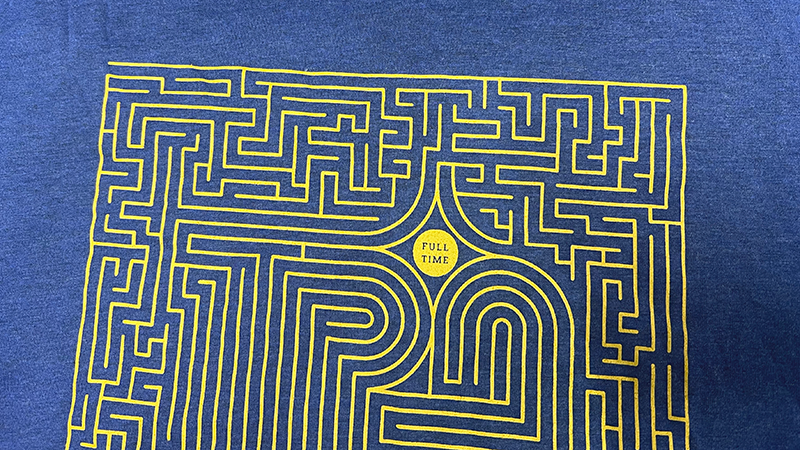
- Screen printing: Bold shapes and limited colours work best. Avoid super thin lines under 1 pt.
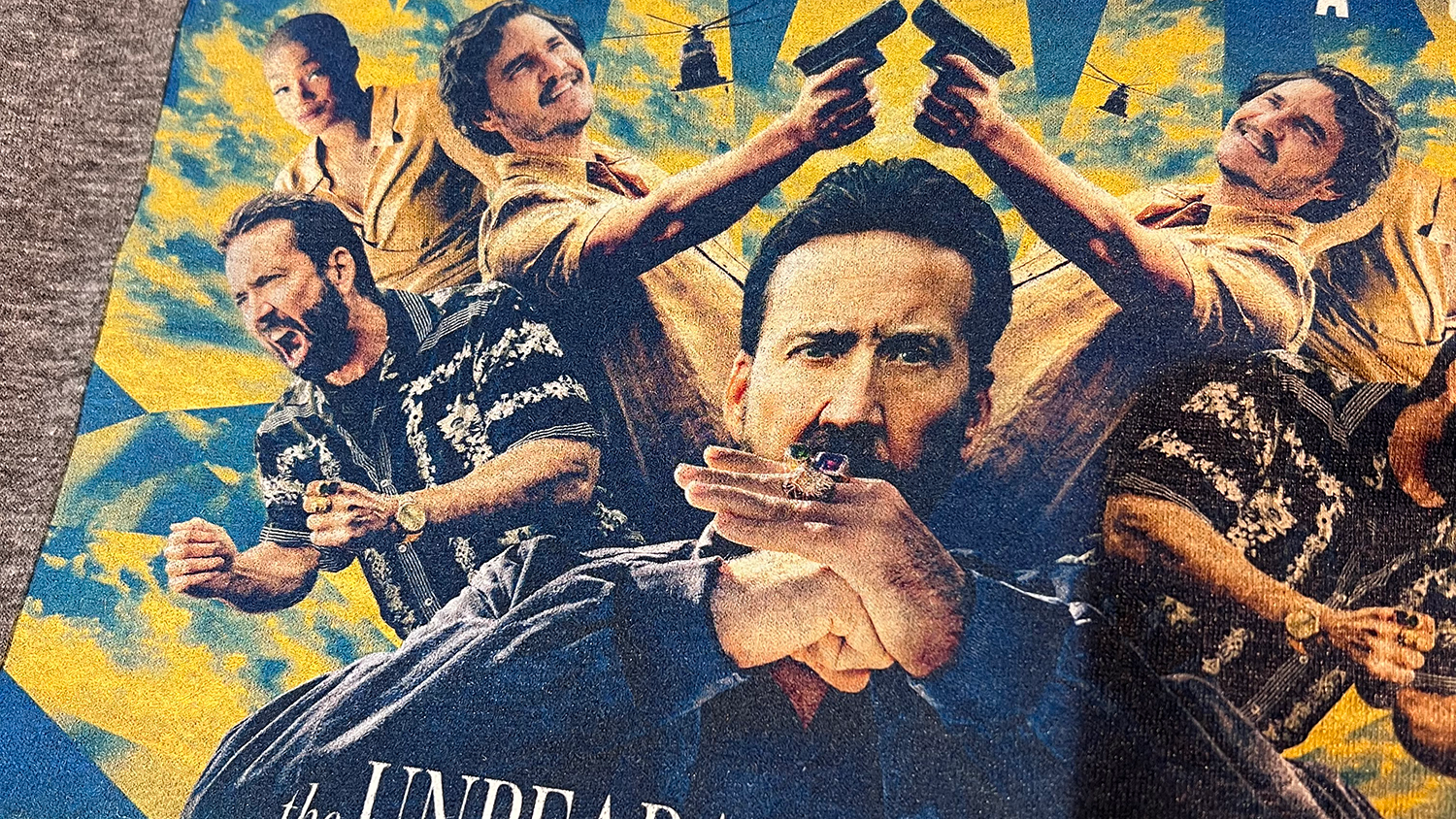
- DTG: Great for photos, gradients, and highly detailed artwork — but needs high-res files.
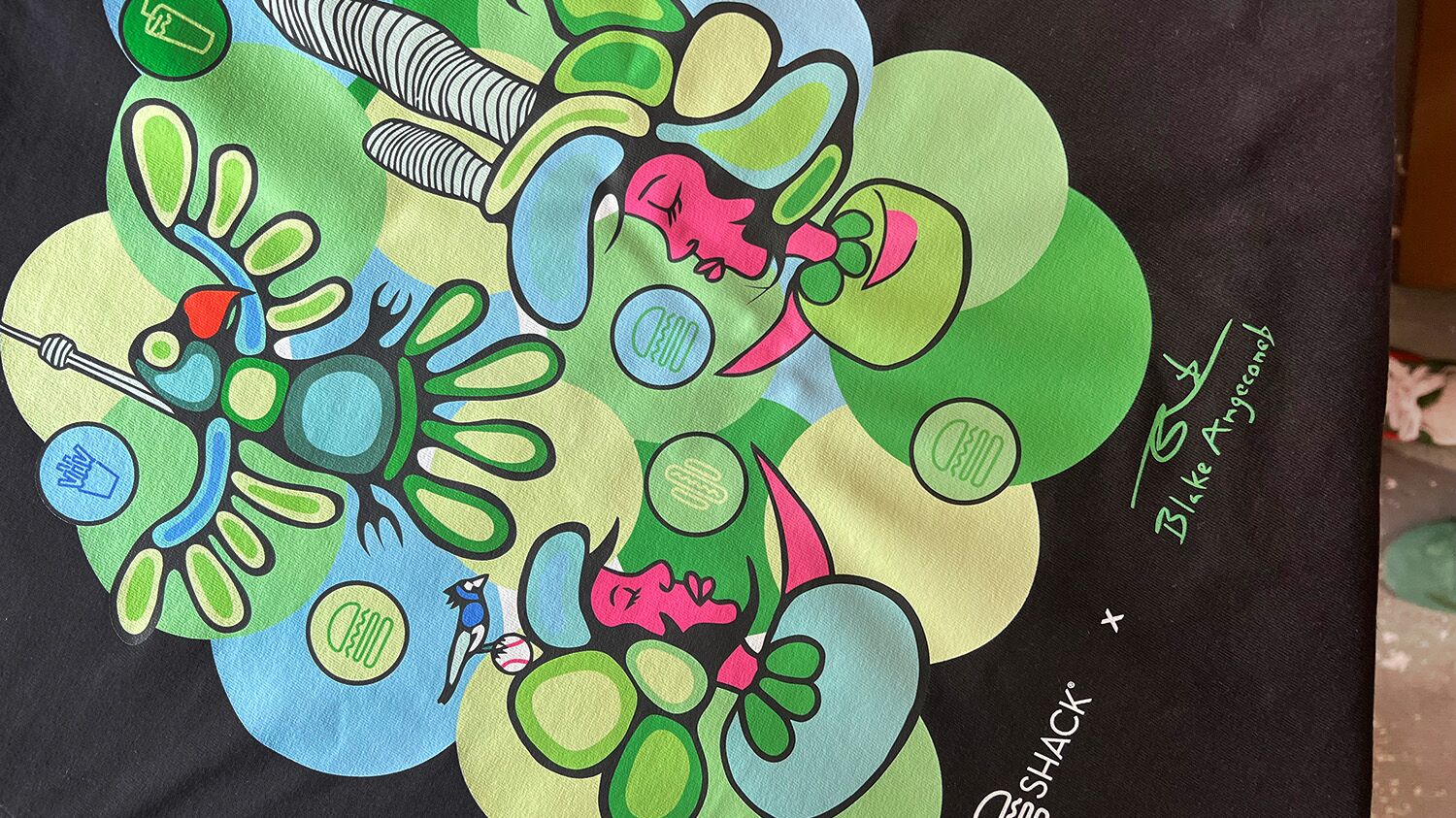
- DTF: Perfect for full-colour prints with strong durability. Works on almost any fabric. Perfect for teamwear.
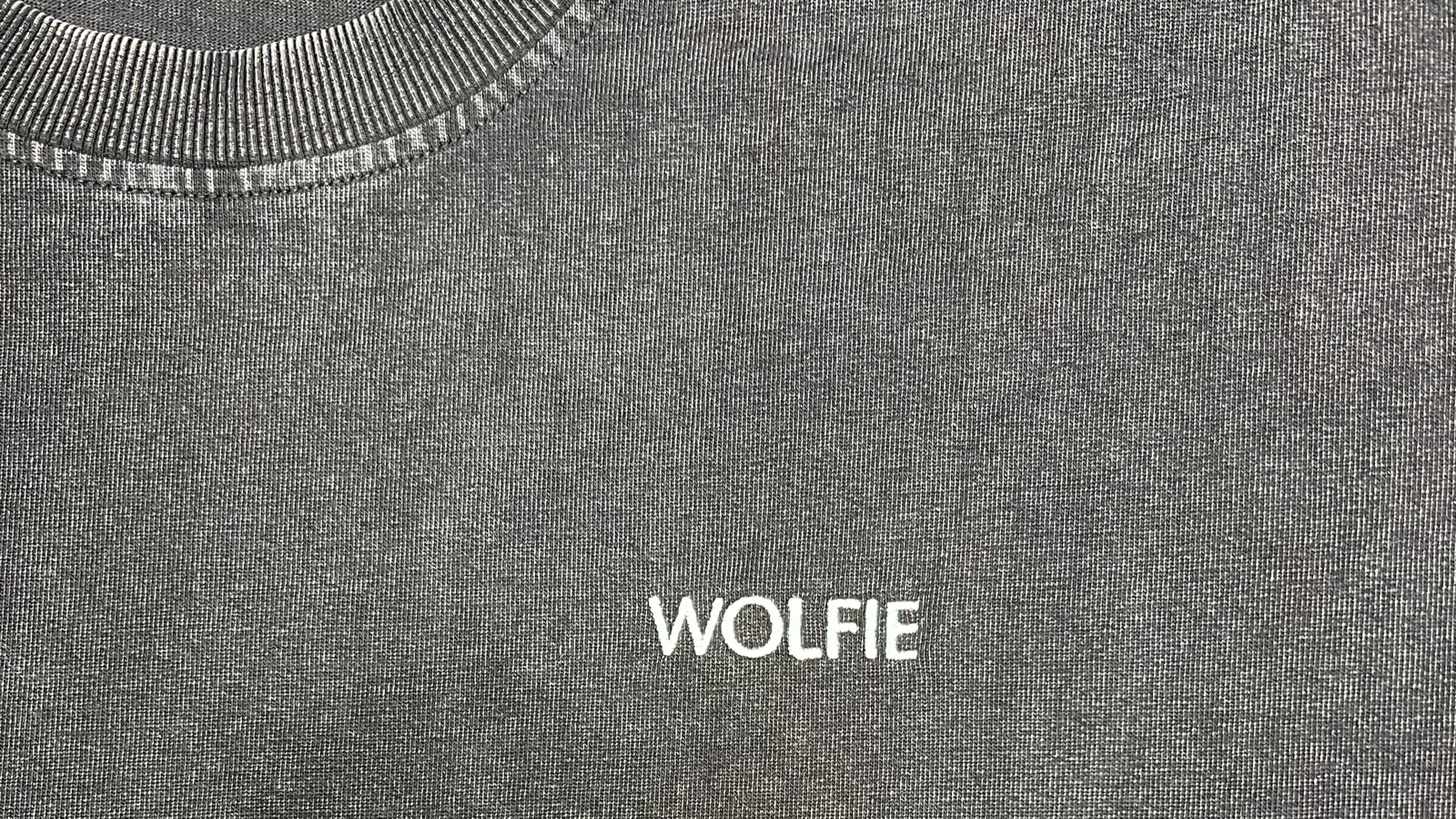
- Embroidery: Simplify details and text; small letters become unreadable. Text needs to be more than 0.25" tall.
If you’re unsure, ask your printer (ahem — us). We’ll tell you what works best for you design. Or check out our services page for more in depth information and comparisons.
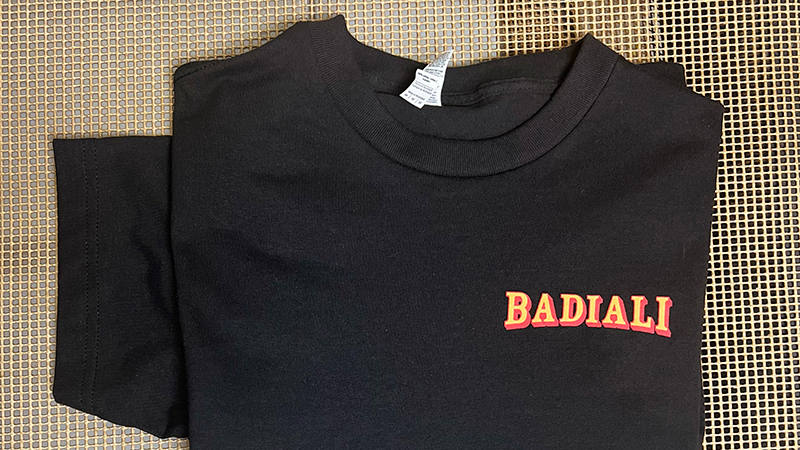
Screen Printing
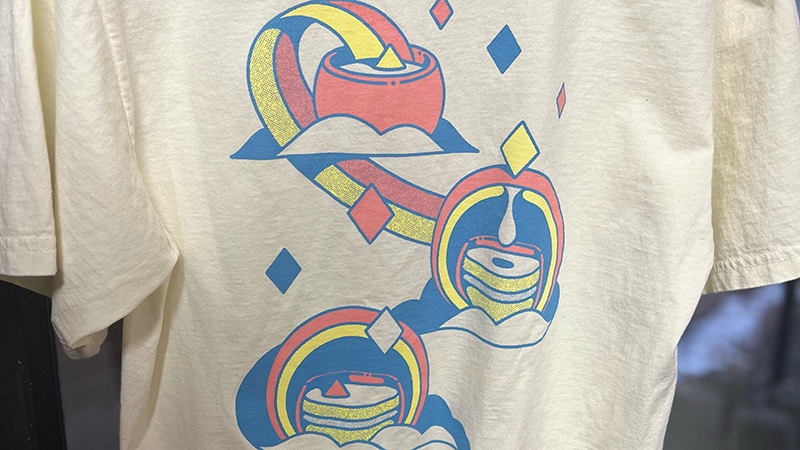
Direct-to-Garment
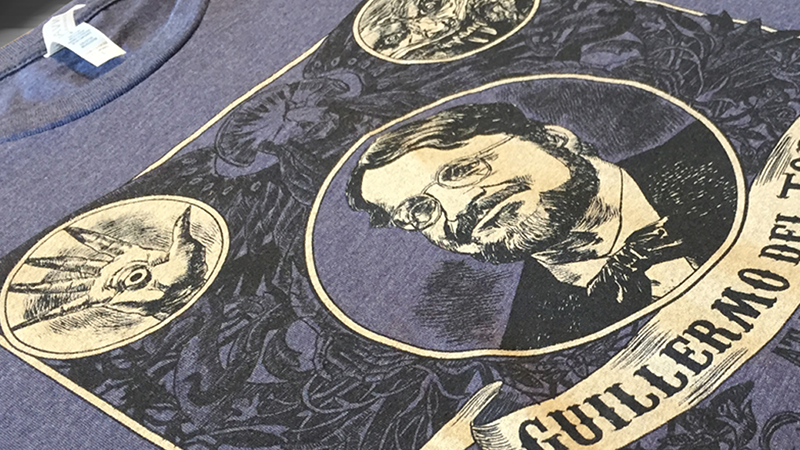
Direct-to-Film
Embroidery
3. Always Use High-Resolution Artwork
This is the #1 issue that slows down production.
Aim for:
- 300 DPI files
- Vector art (SVG, AI, EPS) for logos and text
- Large canvas size if you’re sending PNGs or PSDs. The canvas should be at least the size of the print you want.
Low-res files = blurry prints. No way around it. If you aren't sure if your file meets the above specs, get in touch, and we'll take a look.
4. Choose the Right Print Size for the Shirt
Think about what size will work on all shirt sizes. If ordering mainly smaller sizes or women's tees, or youth tees, stick to a size in the lower size range. If ordering mainly larger sizes or oversize tees, choose a size in the upper range. But it's all preference and what the over all vision is. For placement, we have standard placements but if you are looking for something unique, let us know, we want to make your vision come to life.
Standard sizes that work well:
- Front left chest: 3.5"–4" wide
- Full front: 10"–12" wide
- Full back: 12"–14" wide
Your printer should guide you, but it helps to visualize it on a mockup. We always suggest to print our your artwork from a normal inkjet and lay it on a shirt you own to get a better size of sizing.
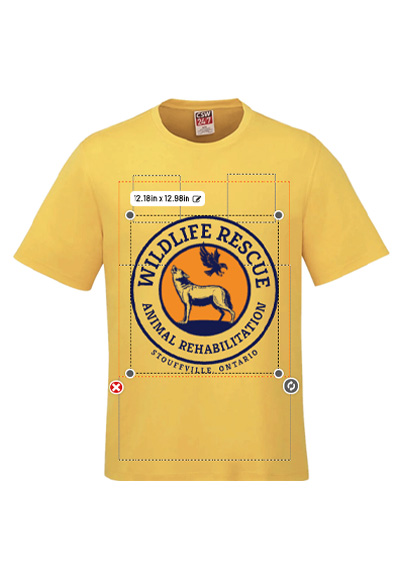
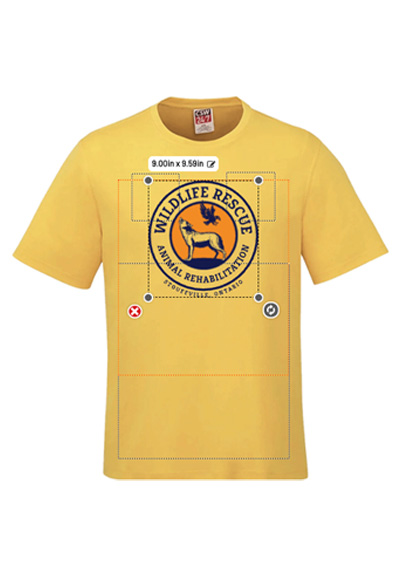
Pro tip: When placing a full size image on the front of the shirt, place it more at the top across the chest. You may think it belongs centred vertically but that would place it across the stomach!

Poor Placement
Good Placement
5. Stick With Fewer Colours If You’re Screen Printing
Each ink colour = a separate screen = added cost.
To keep budgets tight:
- Use 2–3 colours max for clean, affordable designs.
- Stick to contrasting colours if you want your design to stand out. Or try tone-on-tone if you want a more sutble look.
- Use spot colours for screen printing or if you want a retro look you can add a half-tone to create a gradient while keeping the colour count low.
For more useful info and tips on screen printing check out our screen printing services page.
If you need full colour, DTF or DTG is your friend.
6. Don’t Forget the Wash Instructions
The first wash is where people ruin their shirt.
A simple care card or tag note helps your merch last longer — especially DTG and DTF prints.
Think: cold wash, inside out, low heat dry.
7. Order Extras (You’ll Thank Yourself Later)
You will get last-minute size swaps, new staff members, or “I should’ve grabbed one when I had the chance” moments.
Adding 5–10 extra pieces saves money vs. reprinting tiny quantities later.
8. Work With a Shop That Actually Knows Their Stuff
Not all print shops are built equal. A good printer will:
- Review your files
- Suggest the best method
- Catch issues before they become problems
- Provide mockups and approvals
- Help you hit your deadline
In Toronto, competition is tight — pick a shop that communicates clearly and doesn’t cut corners.
Final Thoughts
Great custom tees come down to two things: good design and good production. If you nail both, your shirts last longer, look better, and actually get worn — which is the whole point.
If you want help choosing the right print method, blanks, or design approach, Hardboiled is always here to walk you through it. Email us!
Links to other important pages
Other Posts
- How to Choose the Right T-Shirt Printing Method
- What Makes a Great Merch Design?
- 10 Custom Promotional Products That Don’t Suck
- Canadian-Made Custom T-Shirts & Promo Products
- How Much Do Custom T-Shirts Cost? A Simple Breakdown
- Best Custom Merchandise for Small Businesses
- Top Embroidery Trends Brands Are Using Right Now
- Custom Mugs: Popular Styles and What Will Work For Your Brand
- Spring Merch Guide: Fresh Picks in Custom Apparel & Promo Products
- Best Custom Golf Merch for Corporate Tournaments and Events
- Using AI to Create Custom Apparel Artwork